


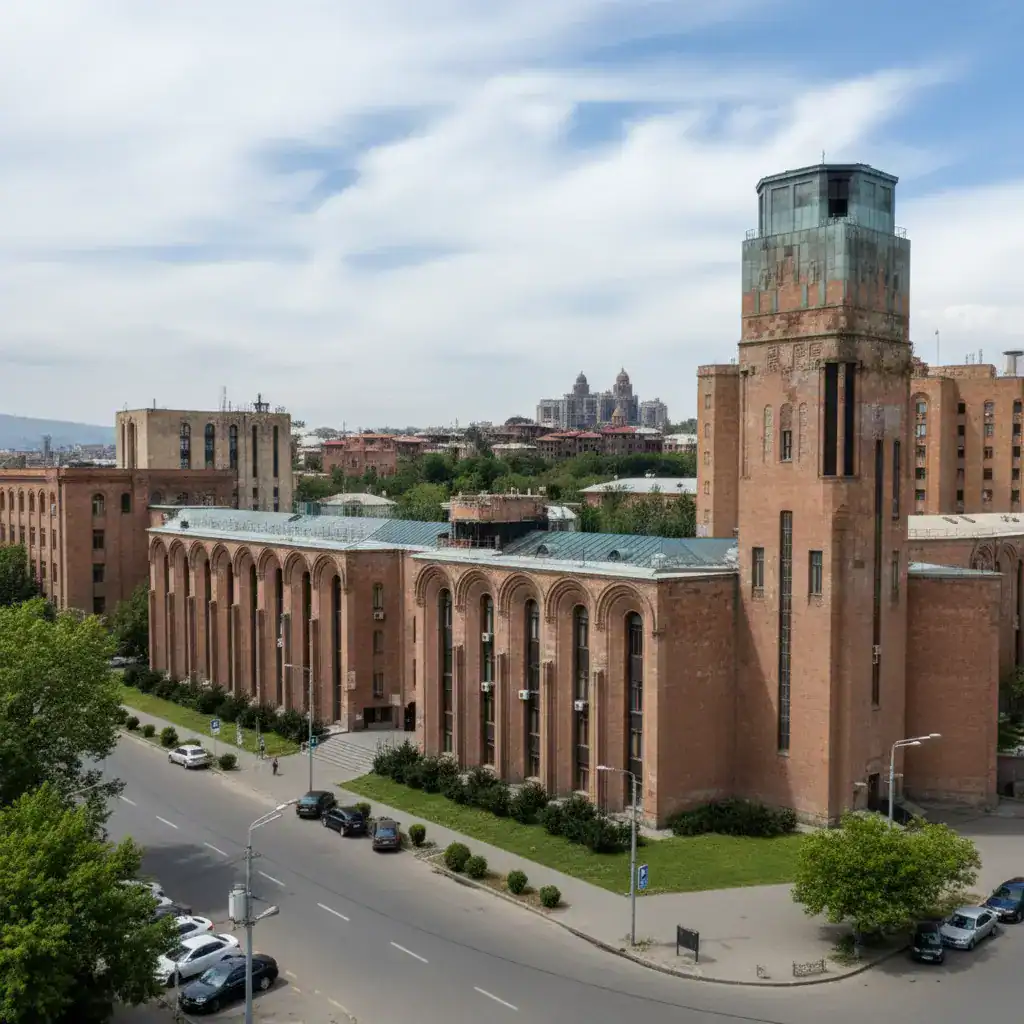
Yerevan, July 20 – The Municipality of Yerevan has announced a significant increase in its own revenues for the first half of 2026, with figures surpassing last year’s performance by 10 billion AMD. As of June 30, the city collected 49.2 billion AMD in own revenues, exceeding the projected 44.6 billion AMD for the period.
Revenue Collection Exceeds Expectations
During a working consultation at the City Hall on July 20, David Hakobyan, acting head of the Revenue Accounting and Collection Department of the Yerevan Municipality, presented the impressive results. He noted that the plan was surpassed by more than 4.5 billion AMD, and by 10 billion AMD compared to the same period in 2025.
The bulk of these own revenues is comprised of real estate tax, accounting for 25% of the total. This is followed by fees for construction and design permits (21%), public transport fees (17%), and other sources.
District Performance and Exceptions
Most administrative districts of the capital successfully exceeded their revenue collection plans. However, the Erebuni, Kentron, and Nubarashen districts were exceptions, falling short of their targets.
Focus on Infrastructure Development
In response to these positive financial outcomes, Yerevan Mayor Tigran Avinyan emphasized that the additional funds collected will be channeled towards the construction of new transport hubs and the repair of roads. “The main focus should be on improving the condition of roads,” he stated, highlighting a key priority for the city’s development.
This substantial increase in revenue provides the Yerevan Municipality with a stronger financial foundation to invest in critical urban infrastructure, aiming to enhance the quality of life for its residents through improved transportation and road networks.
The municipality’s commitment to prioritizing road improvements underscores a strategic approach to urban development, addressing a common concern among city dwellers and facilitating smoother movement across the capital.
The successful revenue collection also reflects effective financial management and possibly a growing economic activity within the city, contributing to the overall development agenda set forth by the local government.